
Exotic Birds for sale
-

Chestnut-Mandibled Toucans for sale
-
Collared Aracari Toucans for sale
-
Golden Pheasant for sale
-
Green Aracari Toucans for sale
-
Keel-billed Toucans for sale
-
Lady Amherst’s Pheasant for sale
-
Toco Toucan for sale
-
Toucans for sale
-
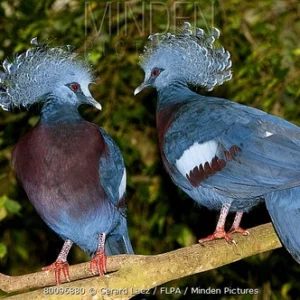
Victoria Crowned Pigeons for sale
-
White Peafowl for sale



Exotic Birds for Sale – Rare, Tropical & Professionally Managed Non-Parrot Species
Exotic birds for sale include some of the most visually striking, biologically unique, and prestigious bird species found outside the parrot family. These birds are admired for their rarity, natural beauty, and specialized behaviors rather than vocal ability or companionship traits. Exotic non-parrot birds are best suited for professional aviaries, collectors, zoological institutions, conservation programs, and experienced aviculturists who understand species-specific care.
At Exotic Birds Farm, this category is dedicated exclusively to non-parrot exotic birds, responsibly sourced and managed under professional, ethical, and legal standards.
What Defines an Exotic Bird
Biologically Distinct From Parrots
Non-parrot exotic birds differ entirely in anatomy, diet, intelligence expression, and environmental needs. These species typically:
Do not mimic human speech
Follow instinct-driven behaviors
Require specialized or natural diets
Thrive in habitat-style aviaries
Are valued for rarity and visual impact
They are not companion pets and are not suitable for casual ownership.
Birds of Display, Conservation & Prestige
Exotic non-parrot birds are commonly kept for:
Visual display
Educational programs
Conservation breeding
Professional collections
Zoological or institutional environments
Their value lies in natural elegance, rarity, and biological specialization.
Exotic Bird Species Covered in This Category
This category includes a carefully curated range of non-parrot exotic bird groups, each managed according to its natural biology and environmental needs.
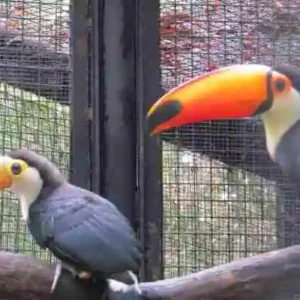
Toucans & Aracaris (Softbill Birds)
Tropical canopy birds known for colorful bills and calm, observant behavior.These species require fruit-based or softbill diets and spacious aviaries.
Examples include:
Toco Toucan
Keel-Billed Toucan
Chestnut-Mandibled Toucan
Green Aracari
Collared Aracari
Related toucan and aracari species
Hornbills
Large, dramatic birds with prominent casques and strong bills, often associated with advanced aviculture and conservation programs.
Key traits:
Strong pair bonding
Large habitat requirements
Specialized feeding routines
Long lifespans
Pheasants
Ground-dwelling ornamental birds admired for extreme coloration and elegant tail structures.
Examples include:
Golden Pheasant
Lady Amherst’s Pheasant
Silver Pheasant
Reeves’s Pheasant
Other ornamental pheasant species
Peafowl
Large ornamental birds known for courtship displays and estate-style aviaries.
Includes:
Indian Peafowl
Green Peafowl
White Peafowl (color mutation)
Cranes
Tall, graceful birds associated with wetlands and open habitats.
Common characteristics:
Ritualized courtship dances
Strong pair bonds
Long lifespans
Conservation significance
Flamingos
Highly recognizable wading birds known for group behavior and water-based habitats.
Traits include:
Colony living
Specialized diets
Climate-controlled environments
Storks, Ibises & Spoonbills
Large wading birds often featured in zoological and professional aviary collections.
Key features:
Long legs and specialized bills
Aquatic or semi-aquatic habitats
Institutional-level care requirements
Ratites (Flightless Birds)
Large terrestrial birds requiring extensive land and secure enclosures.
Includes:
Ostriches
Emus
Rheas
Game Birds & Ornamental Ground Birds
Visually striking terrestrial species used for display and breeding.
Examples:
Quail species
Guinea fowl
Junglefowl
Francolins
Selected Exotic Songbirds & Finches
Rare ornamental passerines maintained in controlled aviary environments.
Traits:
Small size
Complex vocalizations
Species-specific diets
High sensitivity to environment
Why Exotic Non-Parrot Birds Are Highly Valued
1. Rarity & Limited Availability
Many exotic birds are:
Region-specific
Difficult to breed
Legally regulated
Ethically sourced in limited numbers
2. Visual Impact Without Noise
Most non-parrot exotic birds are:
Quiet
Non-destructive
Calm and observational
Ideal for display environments
3. Conservation & Educational Importance
Many species contribute to:
Captive breeding programs
Public education
Genetic preservation efforts
Exotic Birds at Exotic Birds Farm
Professionally Managed Under Species-Specific Protocols
Our exotic birds are maintained using:
Tailored diets
Controlled environments
Spacious, hygienic enclosures
Veterinary oversight
Minimal stress handling
Each species is managed according to its natural biology.
Health Screening & Legal Documentation
Every bird is provided with:
Veterinary health certification
Physical condition assessment
Feeding and care documentation
Legal export permits where required
Housing & Environmental Requirements
Aviary or Habitat-Style Living
Most exotic birds require:
Large flight or habitat-style aviaries
Natural substrates and vegetation
Climate control
Minimal human interference
Indoor cages are not suitable for long-term care.
Worldwide Shipping & Legal Compliance
Professional Export Handling
For approved destinations, we provide:
Government veterinary certification
Legal wildlife export permits
Airline-approved transport crates
Climate-managed logistics
All exports follow international regulations.
Conclusion
Exotic birds represent the most diverse and visually captivating segment of aviculture outside the parrot family. From toucans and hornbills to pheasants, peafowl, cranes, and wading birds, these species are intended for professional environments that respect natural behavior and complex care needs.
At Exotic Birds Farm, exotic birds are offered responsibly, legally, and selectively, ensuring every placement supports animal welfare, conservation, and long-term success.